By Chantelle Znideric
You’re delivering results. You’re hitting targets. You’re showing up more than is expected, putting in the work, and doing everything your job description asks of you, and more.
So why does it feel like someone else keeps getting noticed for that promotion?
My clients don’t always say it out loud but they know that working with me gives them a better chance of climbing the ladder, and in nearly twenty years of working with these incredibly ambitious people, I’ve come to recognise the pattern. The people who ask for it are rarely underperforming. They’re frequently overlooked. And more often than not, the gap between where they are and where they want to be isn’t about capability. It’s about perception.
Perception that is formed, whether we like it or not, and before you’ve said a single word.
The uncomfortable truth about first impressions
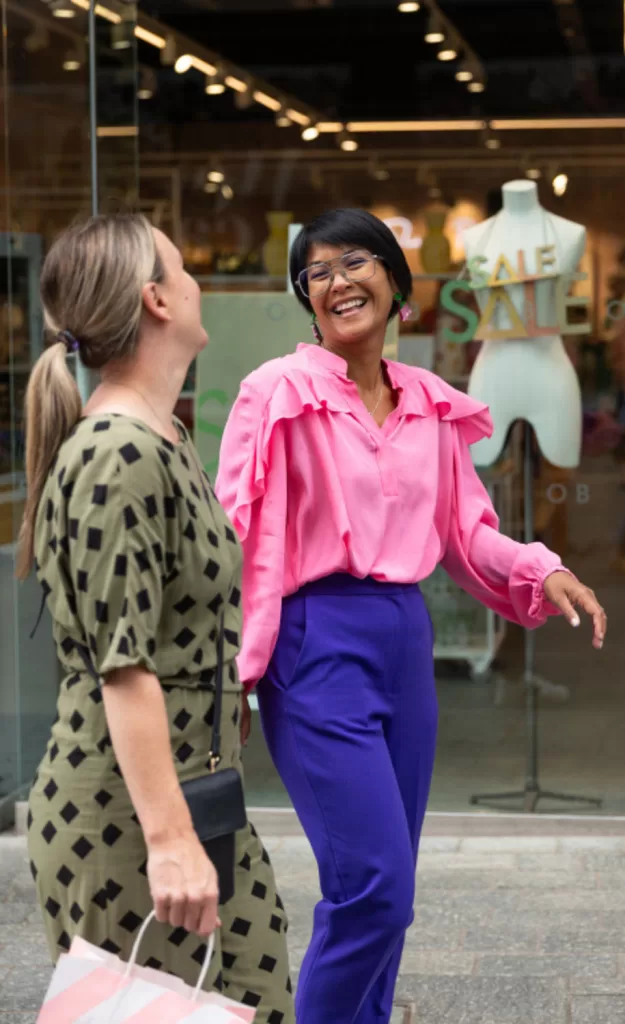
Research from Princeton University found that people form judgements about competence, trustworthiness and likability within a tenth of a second of seeing someone for the first time. A tenth of a second! Before you’ve introduced yourself and before you’ve presented your data or before anyone in that room has any idea what you’re capable of. It’s madness but there’s truth in this.
Further studies from Northwestern University coined the term enclothed cognition – the finding that what we wear doesn’t just affect how others perceive us, it affects how we think and perform ourselves. From this research that I’ve read, participants who wore a doctor’s coat scored significantly higher on attention-related tasks than those who didn’t. The coat changed not just the external impression but the internal one too.
And a 2015 study published in the Journal of Experimental Psychology found that dressing more formally increased abstract thinking – the kind of thinking associated with leadership, strategy and long-term vision.
None of this is superficial. It’s one of the most practical things I know.
The way you present yourself sends a signal, to the people around you and to yourself, about where you belong, what you’re capable of, and how seriously you expect to be taken. When that signal is out of step with your ambitions, it creates a gap. And when gaps get noticed, however unfair, they do have consequences.
What “dressing for the job you want” actually means
I hear this saying a lot and I want to be clear something up, because this phrase gets misunderstood constantly.
Dressing for the job you want does not mean wearing your CEO’s wardrobe. It doesn’t mean abandoning your personal style or spending money you don’t have. And it absolutely doesn’t mean conforming to some outdated, one-size-fits-all idea of what a leader looks like.
What it means is simple: closing the visual gap between where you are now and where you want to go in your life or career.
I’m sure you’ll agree, every sector has a visual language of leadership. In financial services, it sounds like understated authority. In tech, it might be considered and intentional rather than casual. In the third sector, it’s credible without being corporate. The specifics vary but the principle remains the same. Leaders look like they’ve already arrived. They dress with consideration and intention, and they present themselves in a way that says: I know who I am, and I know where I’m going.
When your image doesn’t match that signal, you create confusion for the people around you. Subconsciously, you make them work harder to see you in the role you want and most people, most decision-makers, won’t do that work. In most cases, they’ll promote the person who already looks the part.
I appreciate that might feel unjust and it is, a little but it’s also something entirely within your control.
The four wardrobe habits that stall careers
In my work with individual leaders and executives within organisations, I see the same patterns again and again.
Dressing for comfort at the expense of credibility. There’s nothing wrong with comfort, in fact I actively encourage it, because discomfort is distracting and distraction undermines performance. However, when comfort becomes the only criteria, the result is a wardrobe that signals you’ve stopped caring about how you’re perceived. You should never have to choose between feeling good and looking the part.
Blending in so well you become invisible. This one catches a lot of people off guard. They’ve been told to look professional, so they play it safe – navy, grey, black, repeat. The problem is that safe is forgettable and essentially in a competitive environment, forgettable is a liability. If nobody notices you at work, they’re not thinking about you when the opportunities arise.
Inconsistency. You look sharp and well put-together on Monday morning but by Thursday, in a meeting with a stakeholder you haven’t met before, the impression doesn’t match. Consistency is key because it builds a brand, and leaders are consistent. They are recognisably (and consistently) themselves whether they’re presenting to the board or grabbing a coffee.
Over-investing in casual and under-investing in authority pieces. Most people have plenty of clothes. What they’re missing are the specific pieces that transform how they’re read in a high-stakes situation. The blazer that says I came prepared. The shoes that carry you through a full day of presenting without a second thought. The outfit you reach for before the interview, the presentation, the meeting that could change everything. If you want to elevate your presence, the fabrics, the details, the cut and the finishing touches all have to be considered.
From Overlooked To Promoted: Helen’s Story
Helen came to me at a significant crossroads. She was approaching a milestone birthday, had a promotion firmly in her sights, and knew, intuitively, that she needed her image to match where she wanted to go.
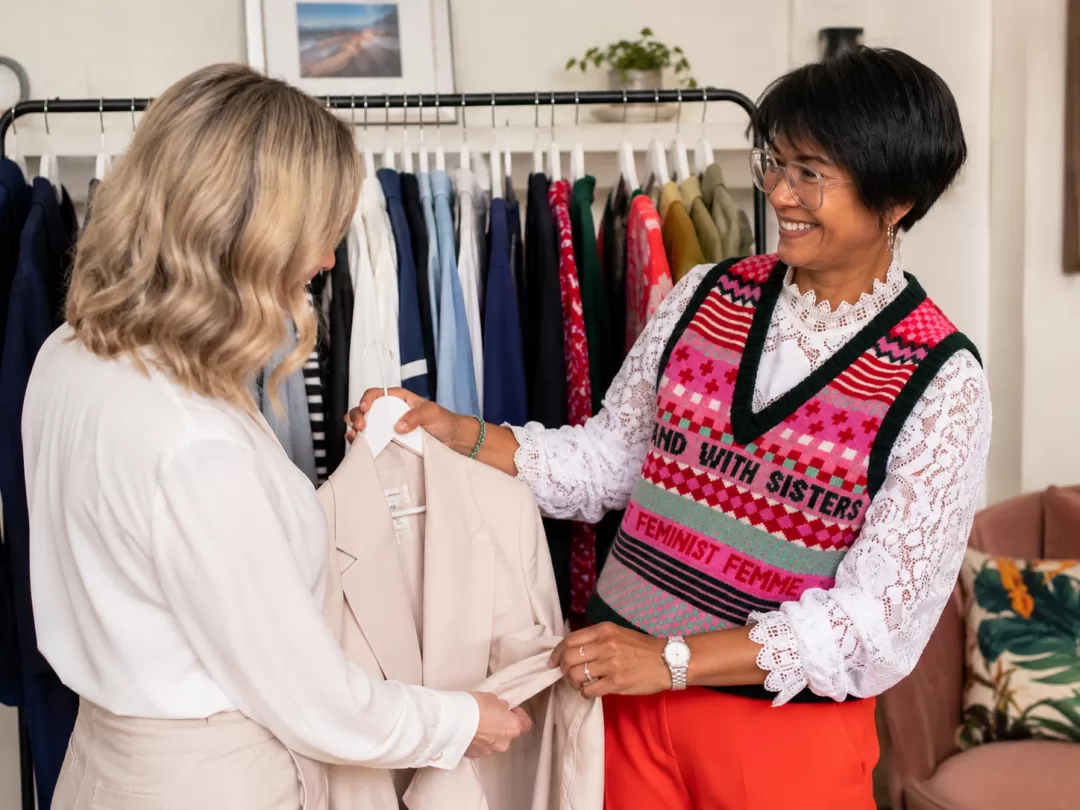
We started with a wardrobe edit: removing the pieces that no longer served where she was going and identifying the gaps between what she had and what she needed. Then we spent a day in Exeter doing something Helen hadn’t done in a long time – shopping, exploring and investing in herself. She tried new styles, new brands, colours she’d never given herself permission to wear and we built her a professional capsule wardrobe with genuine versatility with pieces that worked across every context in her life, not just the office.
What struck me most about working with Helen was her openness. She was willing to be challenged, willing to try things outside her comfort zone, and willing to trust the process even when it felt unfamiliar. That willingness is everything. Style confidence isn’t something I give someone – it’s something they discover when they stop dressing defensively and start dressing intentionally.
The result was more than a refreshed and updated wardrobe. It was a transformation in how Helen felt and carried herself. These clothes, this armour made her arrive at interviews and meetings differently. She carried the confidence that comes from knowing, without question, that you look like yourself, feel like yourself, and the person you’re becoming.
She got the promotion!
After she got the promotion, she sent me a message that has stayed with me. The outfit she chose for her leaving do, a V-neck dress with comfortable trainers, gave her enormous confidence on the night. That detail matters to me more than almost anything else. Not the interview. Not the promotion. The leaving do. The celebration. The moment she got to walk into a room as the person she’d worked so hard to become, and feel entirely, completely herself. That’s what my work is really about.
Three practical transformations to start making now
I promise, you don’t need a complete overhaul but you do need intention.
Audit your wardrobe with honest eyes. Stand in front of it and ask: if someone walked into this wardrobe without having seen it before, what would they say about the person who owns it? Does it reflect where you’re going, or where you’ve been?
Identify your high-stakes clothing pieces and invest in them properly. The blazer. he trousers that actually fit. The shoes you can walk, stand and think in. These are the pieces that carry you through the hours at work that matter and they deserve more than a compromise.
Stop dressing for the average day. Dress for the best version of your day. This is the one where you walk into a room and people notice you, listen to you, and remember you. On the ordinary days, you’ll still look good and on the days that count, you’ll look like you were ready.

The real cost of getting this wrong
The average person changes jobs every three to five years. Each transition, each interview, each first day, each first impression with a new leadership team is that moment where perception either works for you or against you.
I’ve seen brilliant people plateau not because they lacked the skills, but because their image was sending the wrong message. Most people don’t even realise it. Have you noticed you’re not being asked to present at meetings, to attend that client networking event, or being put forward for new opportunities? It’s worth asking yourself why. And I’ve seen people accelerate their careers dramatically not because they changed who they were, but because they finally started presenting themselves in a way that matched who they really are in a truly authentic way. Your wardrobe is a professional tool and the sooner you treat it like one, the sooner everything else follows.
If this resonates or if you recognise yourself here, a Style Strategy Consultation is the place to start. We’ll look honestly at where you are, where you want to be, and what your image needs to do to bridge that gap.
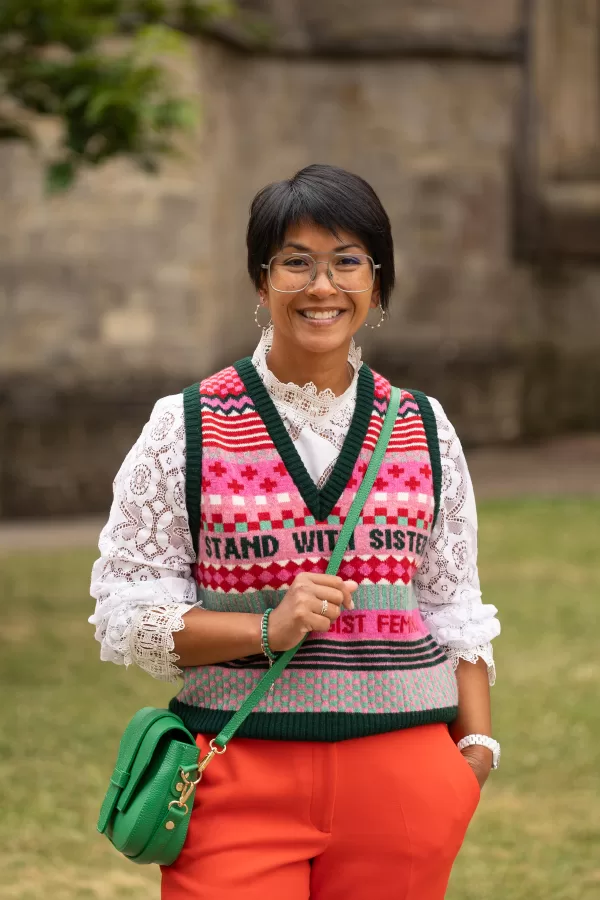
Chantelle Znideric is an award-winning personal stylist and founder of STRIBE.
With twenty years of experience working with ambitious leaders and forward-thinking organisations, she believes one thing above everything else: dressing well has nothing to do with where you come from or what you spend.
It’s about wearing your clothes with clarity, consideration and confidence – and feeling completely yourself when you do.